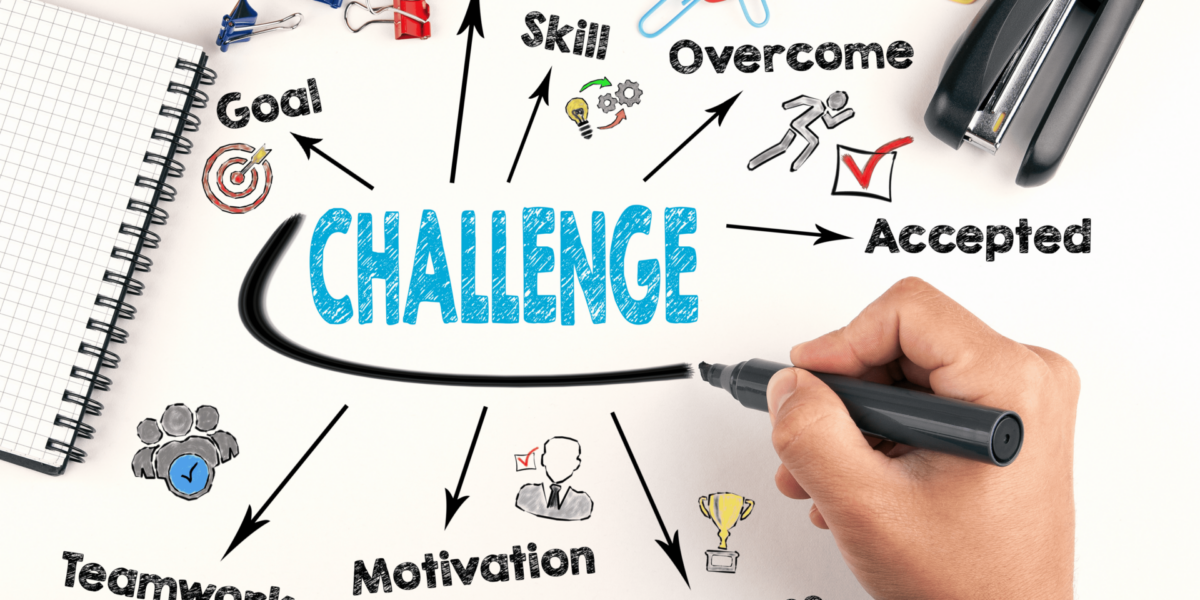
Cultivating Resilience in a Rapidly Changing World

Resilience is more than a personal trait—it’s a deliberate practice that allows people to adapt, recover, and thrive when circumstances shift unexpectedly. In today’s fast-moving environment, the ability to respond to change with stability and purpose has become essential for maintaining both personal well-being and professional effectiveness.

Understanding Resilience as an Active Process

Resilience is not about ignoring challenges or pretending difficulties do not exist. It’s about actively managing your response to them. When situations evolve quickly, resilient individuals focus on actions within their control, using each decision to reinforce stability. This approach turns uncertainty into a series of manageable steps rather than an overwhelming wave.

Adapting Mindsets to Meet Shifting Conditions

A resilient mindset accepts that change is constant. Instead of resisting transitions, it searches for ways to integrate them into existing goals. This mental flexibility allows a person to adjust their strategy without losing sight of their broader direction. By framing change as part of the journey rather than a disruption, resilience turns adaptation into a source of strength.

Building Emotional Stability During Transitions

In periods of rapid change, emotions can shift quickly, sometimes clouding judgment. Emotional stability supports resilience by creating space for clear thinking under pressure. It involves noticing your emotional responses, understanding their triggers, and making conscious choices about how to act. This steady foundation helps maintain productive relationships and consistent decision-making.

Strengthening Decision-Making Under Pressure

When the pace of change accelerates, decisions often need to be made with incomplete information. Resilience helps by focusing attention on priorities and clarifying the criteria for taking action. Instead of hesitating or reacting impulsively, resilient decision-makers weigh available facts, assess risks, and commit to a course of action with confidence, knowing they can adjust as new information emerges.

Maintaining Purpose Amid Constant Change

Purpose acts as a compass in uncertain times. Resilience thrives when actions align with clear values and long-term objectives. Even when the external environment shifts, a defined sense of purpose anchors decisions, providing a stable reference point. This alignment reduces confusion and strengthens motivation to continue moving forward despite uncertainty.

Developing Support Networks for Stability

Resilience grows stronger in the presence of trusted relationships. Support networks provide more than encouragement—they offer perspectives, resources, and feedback that help navigate unfamiliar situations. Whether in personal or professional settings, maintaining regular communication within these networks ensures you are not isolated when challenges demand new solutions.

Practicing Flexibility Without Losing Focus

Flexibility is not the same as abandoning a goal. In resilience, it means adjusting methods and timelines while staying committed to the desired outcome. This balance allows for quick responses to new developments without creating unnecessary detours. By staying open to alternative paths, you preserve momentum even when the original plan is no longer viable.

Managing Energy to Sustain Long-Term Resilience

Adapting to constant change requires both mental and physical energy. Resilience involves recognizing when to push forward and when to conserve resources. Managing rest, nutrition, and focus ensures you have the capacity to respond effectively over the long term rather than burning out in the early stages of a challenge.

Recognizing Growth Within Difficult Situations

A key aspect of resilience is the ability to identify personal or professional growth that comes from overcoming challenges. This recognition does not diminish the difficulty of the situation but reframes it as part of a larger progression. Each resolved challenge strengthens confidence in your ability to handle the next.

Building Skills That Anticipate Change

Proactive resilience involves preparing for change before it happens. This might mean learning new skills, staying informed about developments in your field, or creating contingency plans. By anticipating potential challenges, you reduce the shock of unexpected events and improve your readiness to respond with clarity and purpose.

Recovering Quickly Without Losing Direction

Rapid recovery is a hallmark of resilience. It’s not about returning to an identical state as before but regaining stability quickly enough to continue progress. This often means identifying the smallest next step that moves you forward and taking it without delay. Recovery in this sense keeps momentum alive even in the face of setbacks.

Strengthening Resilience Through Continuous Reflection

Reflection transforms experience into practical insight. By regularly reviewing decisions, responses, and outcomes, you can refine your approach to future challenges. This continuous learning process deepens resilience, making it easier to identify patterns and choose effective responses in similar situations down the road.

Encouraging Resilience in Teams and Communities

Resilience is not solely an individual capacity—it can be cultivated within teams and communities. Shared goals, open communication, and mutual support create a collective strength that allows groups to respond effectively to change. A resilient community adapts together, drawing on diverse skills and perspectives to navigate uncertainty.

Integrating Resilience Into Daily Habits

Daily habits build the foundation for resilience long before a major challenge arises. Setting priorities, maintaining personal health, and practicing problem-solving in smaller situations create a mindset and skillset ready for larger tests. Over time, these habits become automatic, reducing the effort required to remain steady during rapid change.

Resilience as a Lifelong Practice

Resilience is not a fixed quality but a skill you develop and strengthen over time. In a rapidly changing world, it serves as a stabilizing force that helps you adapt without losing sight of your purpose. By approaching change with flexibility, clarity, and consistent action, you create the capacity to meet uncertainty with confidence and maintain momentum toward your goals.

The Art of Reframing Challenges into Opportunities

Understanding the Power of Perspective in Problem-Solving

The way you frame a situation determines how you respond to it. When faced with a challenge, your first interpretation often sets the tone for every action that follows. If you view a problem only as an obstacle, it can drain energy and narrow your options. When you reframe it as a chance to learn or improve, your mind searches for possibilities instead of limitations. This shift in perspective doesn’t remove the difficulty—it changes the way you approach it.

Why Reframing Shapes Better Outcomes

Reframing works because it interrupts your default reaction. Instead of moving straight into frustration or avoidance, you give yourself space to reassess the situation. This pause allows you to notice details you may have missed at first glance. With a clearer view, you can identify resources, skills, or strategies that may help. In many cases, what seemed like a setback can lead to a stronger result than the original plan.

Identifying Limiting Narratives That Block Solutions

Many challenges feel bigger than they are because of the story you tell yourself about them. A missed deadline can feel like a complete failure if the narrative is “I’m not capable.” That same event looks different if the story is “This delay will help us deliver better quality.” Recognizing and rewriting these limiting narratives helps remove unnecessary emotional weight. It allows you to focus on actions instead of doubts.

Using Language to Shift Mindset and Direction

The words you use shape the meaning you assign to an event. Describing a challenge as a “problem” signals danger or loss. Calling it a “project” or “test” can make it feel more manageable. This isn’t about sugarcoating reality—it’s about choosing language that keeps you engaged and willing to act. Small shifts in wording can open up new ways to interpret the same situation, guiding you toward more constructive responses.

Creating a Structured Approach to Reframing

Reframing becomes easier when you use a consistent process. First, describe the challenge in neutral, factual terms without judgment. Second, list what you can control within the situation. Third, identify at least one potential benefit or learning opportunity it presents. Finally, decide on a first step you can take toward a better outcome. This approach gives structure to a skill that might otherwise feel abstract.

Staying Grounded When Pressure Builds

Under stress, your mind tends to narrow its focus to the immediate problem. While this can help in emergencies, it often makes everyday challenges seem more urgent than they are. Reframing requires you to widen your perspective, even when pressure builds. This might mean stepping away from your desk for a moment, speaking with someone who offers a balanced view, or reviewing your original goals to regain clarity.

Turning Uncertainty Into a Catalyst for Growth

Most challenges come with an element of uncertainty. Instead of treating uncertainty as a threat, you can frame it as a space for experimentation. This mindset gives you permission to try new approaches without expecting perfection from the start. By seeing uncertainty as an open field instead of a closed door, you create room for solutions that may not have been visible before.

Recognizing the Long-Term Value of Short-Term Setbacks

When you look beyond the immediate discomfort of a challenge, you often find value that only becomes clear over time. A difficult project can strengthen your problem-solving skills. A conflict can improve your ability to communicate under pressure. By reframing these moments as part of a bigger picture, you make it easier to stay motivated through the short-term strain.

Building Resilience Through Repeated Practice

Reframing is not a one-time skill—it’s a habit built over repeated use. The more you apply it, the faster you can make the mental shift when challenges arise. Over time, you begin to approach new problems with curiosity instead of dread. This resilience reduces the impact of setbacks and keeps your focus on forward movement.

Integrating Reframing Into Everyday Decision-Making

To make reframing part of your daily life, practice it in both major and minor situations. The small adjustments you make when handling everyday obstacles—such as a delayed meeting or a change in plans—train your brain to respond more constructively when larger issues arise. This consistency strengthens your ability to see opportunities where others might only see roadblocks.

Why Reframing Creates a Competitive Advantage

In both personal and professional settings, the ability to reframe challenges sets you apart. While others may stall or become discouraged, you can maintain momentum by focusing on possibility. This doesn’t mean ignoring risks—it means weighing them against potential gains and acting with intention. The combination of adaptability and optimism positions you to navigate uncertainty more effectively than those who see only problems.

Moving Forward With Clarity and Purpose

Reframing challenges into opportunities requires awareness, discipline, and practice. By controlling the narrative you tell yourself, using constructive language, and focusing on what you can influence, you can transform your approach to problem-solving. Each reframed challenge becomes part of a larger story of growth, resilience, and purposeful action. The more you refine this skill, the more you will find that opportunities are rarely hidden—they are simply waiting for you to see them differently.

Harnessing Emotional Intelligence for Everyday Success

Understanding Emotional Intelligence as a Daily Skill

Emotional intelligence shapes how you navigate interactions, decisions, and challenges. It involves recognizing your own emotions, understanding others’ perspectives, and responding in ways that strengthen relationships. In daily life, emotional intelligence acts as a guide, helping you interpret situations accurately and choose responses that align with your goals. Without this skill, misunderstandings can escalate and opportunities for collaboration can be missed.

Self-Awareness as the Foundation of Effective Decisions

Self-awareness gives you a clear view of how your emotions influence your thoughts and actions. In practice, this means pausing before responding to a tense situation, recognizing whether frustration or excitement is driving your reaction. When you understand your emotional patterns, you can make choices that avoid unnecessary conflict and keep you aligned with your priorities. Over time, this awareness builds trust because others see you as thoughtful and consistent.

Regulating Emotions to Maintain Stability

Emotion regulation allows you to stay grounded in high-pressure moments. It’s not about suppressing feelings but managing how they affect your behavior. In a realistic scenario, you might feel impatient during a lengthy discussion. By regulating that impatience, you can continue to listen attentively and respond constructively, rather than letting irritation close the conversation. This skill supports long-term goals by preventing short-term reactions from undermining your efforts.

Reading Social Cues to Strengthen Connections

Accurately reading social cues helps you respond to people in ways that resonate with them. Facial expressions, tone of voice, and body language can reveal as much as words. In a meeting, for example, noticing subtle tension between two team members allows you to steer the conversation toward resolution. By staying attentive to these signals, you not only improve communication but also create an environment where others feel understood.

Practicing Empathy to Build Trust

Empathy moves beyond understanding facts to understanding feelings. It allows you to connect with others’ experiences and adjust your approach accordingly. If a colleague seems distracted, empathy encourages you to consider what might be affecting them before making assumptions about their commitment. This thoughtful approach fosters trust, showing others that you value them as individuals, not just for their roles or output.

Using Emotional Intelligence to Guide Conflict Resolution

Conflict is inevitable, but emotional intelligence determines how productively it’s handled. When tensions rise, recognizing both your own emotional state and the needs of others helps you find solutions that respect all sides. Instead of reacting defensively, you can guide discussions toward common goals. This ability turns disagreements into opportunities for problem-solving rather than lingering friction.

Adapting to Change with Emotional Flexibility

Life and work often present unexpected shifts. Emotional intelligence enables you to adapt without losing focus. This involves staying open to new perspectives and managing the discomfort that change can bring. By reframing challenges as chances to learn, you maintain momentum and help others feel more secure in uncertain conditions. Adaptability rooted in emotional awareness makes transitions smoother for everyone involved.

Integrating Emotional Intelligence into Leadership

For leaders, emotional intelligence influences every decision, from setting priorities to managing teams. Leaders who practice self-awareness, empathy, and regulation can inspire loyalty and drive performance. When a leader communicates with clarity and respects the emotions in the room, they encourage a culture of openness and accountability. Emotional intelligence becomes not just a personal skill but a tool for collective success.

Building Habits That Strengthen Emotional Intelligence

Like any skill, emotional intelligence develops through consistent practice. This includes reflecting on your emotional responses, seeking feedback from others, and staying attentive to both verbal and nonverbal communication. Incorporating these habits into your daily routine ensures that emotional intelligence becomes second nature, influencing how you approach every interaction and decision.

The Lasting Impact of Emotional Intelligence

Emotional intelligence creates advantages that go beyond immediate interactions. It supports stronger relationships, more thoughtful decision-making, and a higher capacity to navigate complex situations. By consistently applying emotional intelligence, you create an environment—both for yourself and those around you—where respect, understanding, and success can thrive.